25 June 2012

Cott'sbrooke Characters

 
Special Plants' Derry Watkins, with purple accessories.

 Rosie Bose of Glendon Hall lets down her hair.

Ancient Industries ingenues are recommended.

Carrier Company Tina plus Hepburn cheekbones.

Gina Portman of Folk at Home.

James Alexander-Sinclair with his new wooden spoon.

 
Cotts snapper James Corbett

Swing Seat Des and Niwaki Jake

 Turned out nice: a sunny late afternoon in Northamptonshire.


02 June 2012

The Thirteen Clocks

On a fine, sunny day last week I visited Cottesbrooke Hall. Formerly known as Brooke Hall on these pages, it was the setting for my year-long training with the Women's Farm and Garden Association, a good excuse to drive down the farm tracks of Northamptonshire at dawn before many long days of labour and toil. In a completely inspiring setting. I went to see my old friends in the Gardeners' Mess Room and then was allowed out into the park and 13-acre gardens.

Because every inch is combed through by the three and a half gardeners there is a lot more garden per acre than most people have with no acres. The planting density is higher. The Terrace is a classic double border in the country house style: the garden-visiting public demands this in a place with 'Hall' in its address. Ribbons of smart tulips were still flowering away thanks to the well-irrigated spring, but meadow flowers like corn cockle (below) are becoming a presence and they have crept and then marched into all the formal borders.

As always, it is the unplanned combinations that really sing in anyone's back yard. I was particularly struck by the dandelion clocks on a bank in the Wild Garden, mixing with camassia. The white globes crowding around the Chinese pagoda were like a mass of lanterns, making the place look like a storybook version of the East via the East of England.

Other choice weeds were planted at Chelsea this year, on purpose, and with their good friends the native wild flowers, they did not let the side down. For more raving about weeds and friends do visit my very own Way of the Weed, over at the Observer, including the reliably lively comments section.

Herbalism inspired by Julia the herbalist, also known as

26 May 2012

A Bit of Breathing Space at Chelsea

Amongst the frenzied and over-scripted coverage of the Chelsea Flower Show on tv it was a relief to see some calm, in the gardens themselves. As well as BBC presenters, the planting can get a bit excitable. Last year the garden that won Best in Show had patches of bare earth, with pillars lying on the ground. Cleve West, its designer, dared to leave well alone again this year and won Best in Show for the second year running. There's something going on here. Joe Swift's irises (above) look very happy with a bit of park sand around them, the euphorbia keeping a respectful distance, the cornus far enough away not to plunge these sun-loving plants into shadow. The gravelly sandy stuff they use in French parks is an excellent foil for the flowers and trees.

Why does every inch of a border have to be stuffed with plants - to prevent weeds? In her romantic meadow garden Sarah Price planted herb robert, red clover, horsetail and even - plantain. At Chelsea!! Weeds are allowed in and so is a bit of disorder, or an idea of disorder. Plants wandered on to the straight paths making them less razor sharp, and also bringing attention to that nice gravelly sandy stuff, which seeds love to germinate in.

Ditto Tom Hoblyn and his Lake Como-influenced garden. Plants grow hither and thither, as seen in this 360º panoramic: possibly the best way to see the Chelsea show gardens without being there in person. Photos and tv can only focus on the broader picture or the minute detail of say, Nigel Havers. Three more panoramic gardens:
Andy Sturgeon
Arne Maynard
Diarmud Gavin

All images by Jim Powell.


20 May 2012

The Freezing Fete

The fete at Great Easton is the best one in Leicestershire, and this is partly because it is held in a garden. The tea, cake and village hall china are reliably excellent and the plant stall demands careful planning: get there early or repent for a year. The book stall has a side line in ancient jigsaws and we bought one for £1 featuring classic cars outside a village pub with a church steeple in the background. Very Great Easton.

 Yesterday was possibly the most fun I've had at a fete and I think it was to do with the mad weather. My son was ensconced in fake fur (the hood on his parka was firmly up) and people were drinking tea with gloves on. The plant stall did not sell out in five minutes flat because people have rather given up on seeing flowers ever again. But the atmosphere was good, with friends, friends' parents and children's friends milling around and it was just as busy as it would have been in glorious sunshine.

As the temperature wavers between single and double digits, people become more full of hilarity. We aren't moaning about the weather any more. What's the point? It's all a joke, as the spring and summer slide away in a torrent of rain, wind and poor visibility. We are stronger in the face of adversity. God Save the Queen.

13 May 2012

It's Big and it's Hairy

In this season of Noah's Ark weather, ordinary gardens have had a lack of colour and flowers. The weeds though, are positively Old Testament. Dandelions on roadsides are two feet long and hairy bittercress (above) is becoming more embittered and increasingly hairy. In a normal world its little round leaves and miniature flowers will keep it at dolls house size, mainly because it is so easy to flick out, in passing. But until this weekend we've been avoiding outdoors altogether, and the weeds are having a wonderful time.

I had never noticed the existence of the hairy bittercress before reading Children and Gardens by Gertrude Jekyll. In her seductively bossy way she illuminates the virtue of the root: 'Put between two bits of bread and butter it is delicious.' The book is addressed directly to her audience of children, an attentive generation of proto-gardeners. No interruptions please as she further instructs: 'You eat it for nursery tea.'

Nursery tea may be enhanced by this perma-flowering weed but the same cannot be said of its constant companion, the shepherd's purse. Unless you can grab the latter before it flowers, the taste is dreadful. However: its healing qualities are immense, concerning the life force of a human being. Read all about shepherds' purse, cousin of the hirsute bittercress, in my 'Way of the Weed' latest, available to look at for free on the Observer Organic Allotment blog. See also what a real shepherd's purse was made of in the Comments section: this is often the most edifying part.

For genuine card-carrying herbalism visit Botanical Bird.


08 May 2012

The Bevel and the Deep Blue

A rainy day spent in Spitalfields yesterday, admiring everything, including doors and shutters. The doors are glossy and their numbers engraved, with scant reference to brushed nickel, chrome or brass.

We stopped to examine the recherché combo of brown and cream gloss or cadmium yellow with old mustard a couple of doors down but the main theme, without being at all boring was blue, bluey green, greeny blue and green, with a fascinating spectrum of subtle shades in between. They all go well with sooty brick. Some of the old houses have clung on to their peeling exteriors from past decades (not an accident), thus rendering colour choices absolutely unnecessary.

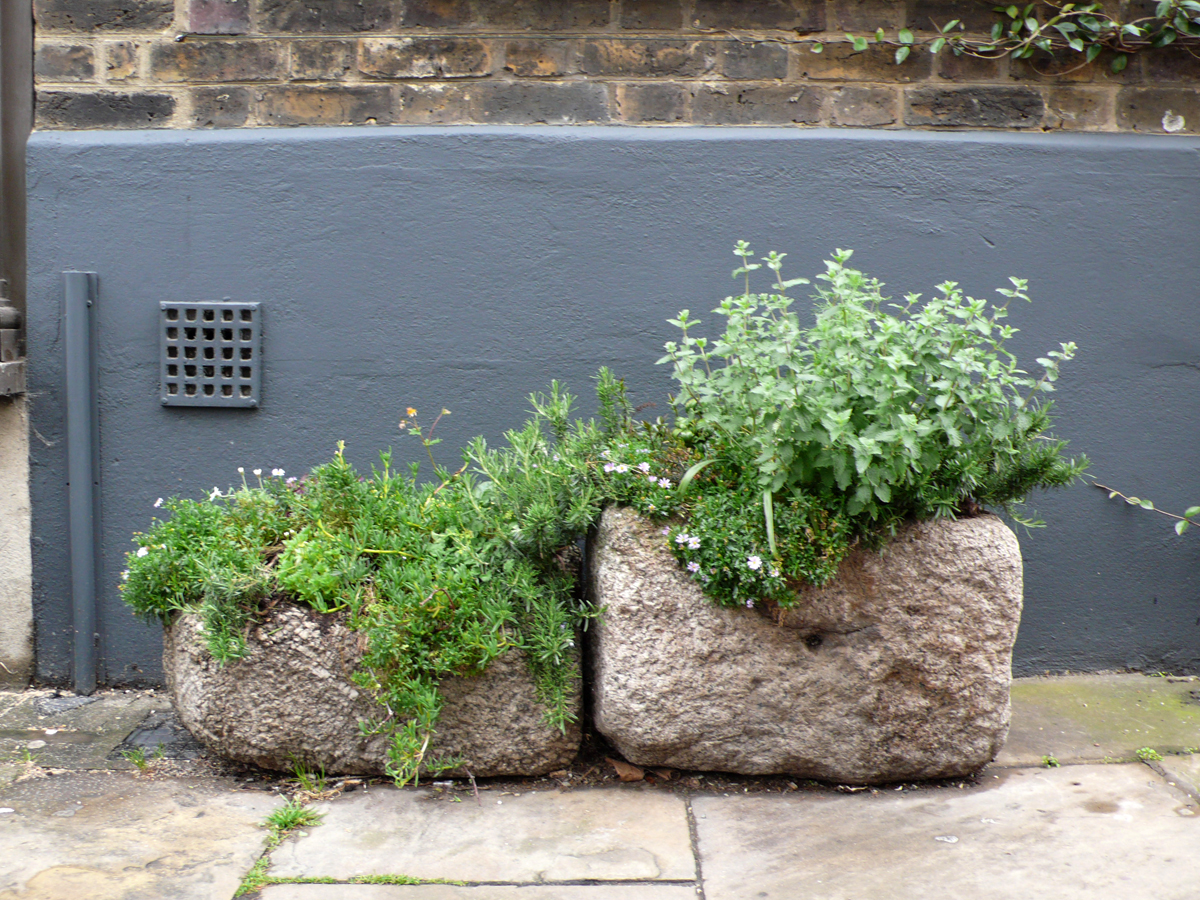
One perfectly presented house on Fournier Street, an ash tray's throw from the Ten Bells Pub on  Commercial Street, was sparsely accessorised with a couple of stone sinks on the pavement. Planted with rosemary, thyme and erigeron, they looked very desirable and not very nick-able, due to their considerable weight.

01 May 2012

Diluvian Diary

Tulipa 'Prinses Irene'
Flowers can look quite good in the rain. Obviously, they're even better just after but... anyway. Before the Deluge, we had plenty of sun but not many flowers, because it was only March. Back in those days I found myself hay making. Nick had cut down the long Karl Foerster grass around the Roman gods at Brooke Hall and people were getting a bit red in the face. It was not a great time to take pictures though, because it was all too glarey. Now, after the dismal, dull, dreary and depressing downpour it is easy to forget about Spring. The news is, it's still happening, and paid professionals go on working from eight till five making gardens look lovely, for someone to look at. It's an excellent time to visit gardens, (through the NGS or otherwise) because you might have the place to yourself and the really intensely hued flower petals are easier to photograph. Just trying to be positive.

Clematis Alpina 'Pamela Jackman'

28 April 2012

Village Green Preservation Society

A man from the council with a strimmer, legs coated in grass clippings: is this a welcome sight? Not when you've been on your knees, happily photographing the flowers that thrive in longish lawns. 'Bye bye wild flowers on the green!' tweeted my friend Theodora* in Uppingham, with the above photo. Her neighbours were probably thinking: 'Thank goodness they've taken care of those dreadful dandelions and the grass can be restored to its usual quarter of an inch.'

Anyone who enjoyed watching Sarah Raven** doing battle with the residents of Creaton, Northamptonshire (a tough crowd) will appreciate that most people prefer neat and tidy above anything else. The look on their faces as she exhorted them to turn the village green into a wild flower meadow was... thought-provoking. And yet the minority of Guardian-reading yoghurt-eaters really like wild flowers and are wary of using the word 'weed'. Which is why I've written an informative and well-balanced piece on dandelions in the Guardian and Observer Organic Allotment Blog.

NB: Blowing the clocks, though tempting, is bad for both camps. Didn't you know you could be depriving a small bird of its lunch? (See comments in the Observer blog, below the ads).

*The calligrapher behind our bespoke copperplate lettering, see right
**Sarah Raven's Bees, Butterflies and Blooms on television a couple of months ago.

25 April 2012

Flower Arrangements of the South West (a)

I spent some time in other people's spare bedrooms this weekend with linens crisped, magazines thoughtfully laid out, and most touchingly, flowers in vases. In the Wye Valley tulips from the cutting garden were all over the house, impressive in number and variety and nurtured from a sack of Dutch bulbs.

Flower Arrangements of the South West (b)

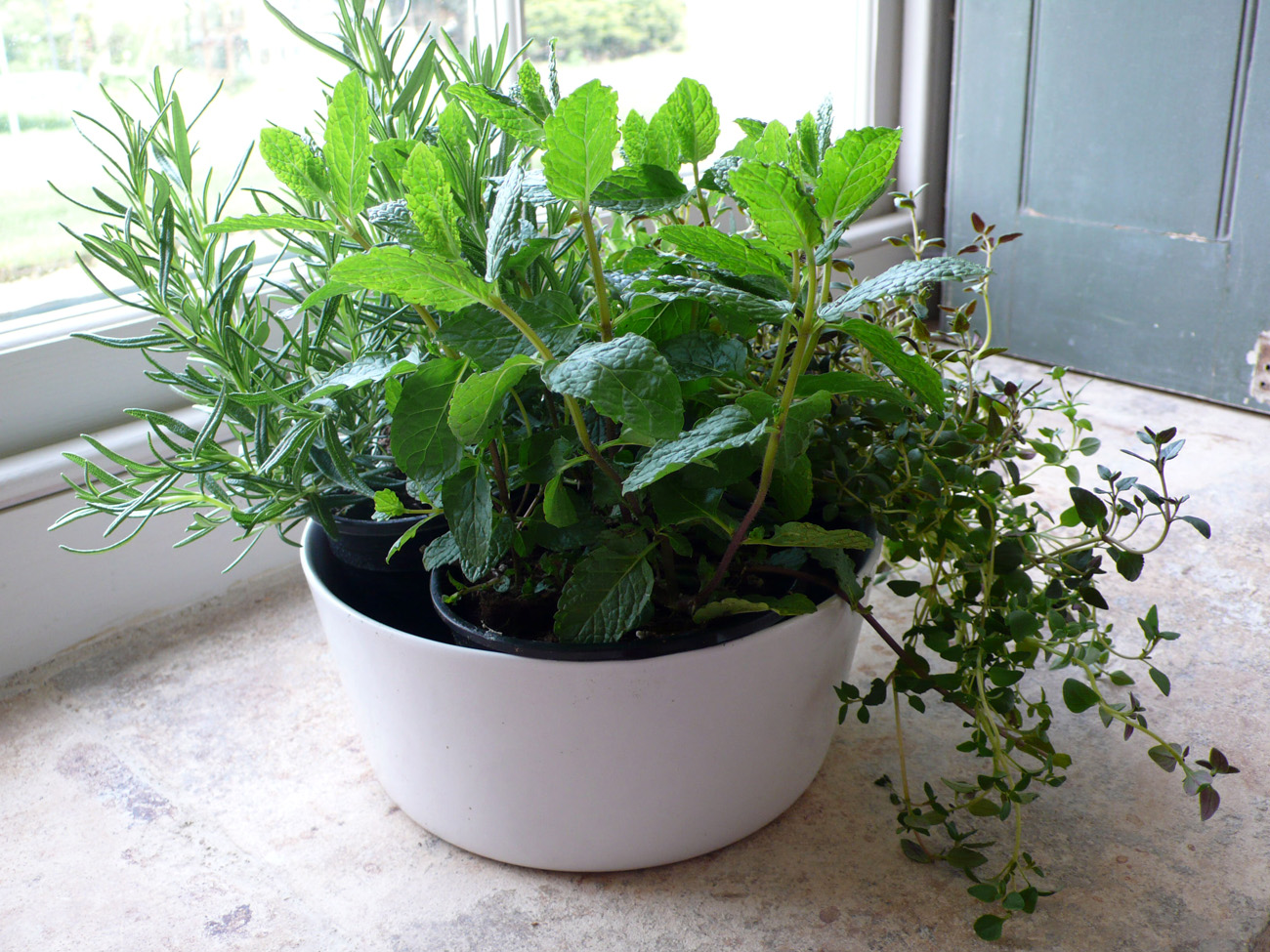
In the Stroud Valley the pots were more like six minutes in the making, instead of six months. Branches from a copper beech joined lilac and the yellow pompom which people find in their garden without knowing how it got there or what it is called. In the kitchen: supermarket pots of herbs, cellophane removed, ceramic dish added.
In the end the flower decorations in Ross and Stroud produced the same result: happiness.

18 April 2012

Scientific Thoughts on Weeds

Our cat gets tripped over every day, or stepped on. It's actually her fault: she plots your course and runs across it, just to get your attention, just to get some food I guess. As an endearment tactic it backfires every time. Weeds do exactly the same thing: they figure out where you are going to plant the dahlias you have been nurturing all winter and they make sure to spring up very very close, from right underneath. Ground elder and bindweed are very sneaky like that.

Perhaps my scientific friend Peter will explain why weeds, like some cats, have been programmed to irritate when really they should be thinking about ways to be loved. And also, wouldn't it be more sensible to keep out of the danger zone altogether?

First things first: plants do NOT think. 'Weeds put themselves under your plants because they were there first,' Peter informs me. 'Weed seeds can remain dormant for scores of years if not hundreds. You only need to think of the poppy fields at Flanders... You disturb the soil when you put a plant in, or when you sow or hoe, ' he continues in his theoretical way. 'The more disturbance, the more weeds.'

There is gardening by the book and gardening by the whatever-whim-takes-you but Peter's version is highly organised. 'Good gardeners hoe for the first and last fifteen minutes of every gardening session.' How sensible they are and I suppose they mulch beautifully? 'If you hoe regularly, when you can't see any weeds, this creates a mulch of the tilth of soil, and you can keep the first inch or so weed free.' All mulch of course works as a weed suppressant, as well as being an all round good egg, whether it is the chic wood bark variety or old grass. Now, I just need some ideas for a good cat suppressant.
The fresh greens of ground elder insinuating themselves amongst ligularia.

12 April 2012

Necklaces for Trees

A good thing about living in a village where most of the land is owned by the very few, is that for cottage-dwellers the views are lovely. We overlook a walled paddock at the front, just over the road, and when we moved here there were sheep and a beautiful white horse to gaze upon. They have all moved on and been replaced with a collection of trees. None of them are exotic: they are mainly malus, prunus, sorbus and crataegus, which you would expect to see on any roadside in the middle of England. They are wonderful unpretentious trees, especially now with their blossom and later on with their fruit. Generally they are dotted about but some are in lines, creating avenues to walk down. On closer inspection though, many of the trees have little circles around them, like a necklace at the base of a long neck. These are neat plantings of spring flowers including daffodils, primroses and - oh horror - hyacinths. Garden snobbery is not really allowed in public but can be so much fun and to my wilfully ignorant mind, a necklace of flowers to decorate the base of a tree is just... completely un-called for.* Discuss.
*Except perhaps in a formal garden, like this one, with a ha-ha nearby.

09 April 2012

Peacocks and Poppycock

Big birds don't fly well and would have been easy to catch and eat in less regulated times. These days chickens - well we know about chickens - and pheasants are considered to be perfectly normal things to eat. Peacocks do not fall into this category and they would be absurd to hunt. Their purpose is decorative: if you have a Kew Gardens-style hot house like my neighbours then of course you must have peacocks. They are the lucky ones. Pheasants lend a place a bit of style but every winter day for them is a gamble with a shot gun. If only they didn't fly at all! It is considered unsporting (and un-health and safety) to shoot a pheasant near the ground. So it is picked off in mid-air, after a tremendous amount of squawking and flapping and personal effort. Pheasants seem to prefer running and somebody should tell them - just keep running.

More related poppycock in Lady Muck's Diary, the Observer Organic Allotment Blog

08 April 2012

Peacocks and Pheasants: The Phony War

Pheasant's eggs, typically laid on the ground.
With the pleasures of spring comes the peacock calling season: bad news for some. I live in a cottage between four manor houses and it is a given that someone will keep peacocks. They waft around during the day and shriek like deranged cats at night. Gardeners loathe peacocks, for the same reason that they loathe pheasants, for the same reason that they loathe pigeons. Pigeons and lesser scratchers and peckers are very democratic in whom they choose to bother whereas peacocks and pheasants are a luxury problem. Gardeners on big estates and in the kitchen gardens nearby are not at all romantic about exotic fowl and would rather work in their exclusive orbit.

They share a dodo-ish lack of flying skills and both are good looking but pheasants are much more attractive to landowners than peacocks. Crucially the former bring in a good income from organised shoots: enough to justify the expense of a full-time gamekeeper (with cottage), a beater or two and the annual buying-in of chicks. Gardeners are frustrated by the whole vicious circle: the pheasants are maintained but the gardens of an estate are also expected to be maintained. During the long winters of avoiding death out in the open several times a week, pheasants take shelter in the highly polished areas and peck and dig and scratch, to the sound of distant gun fire. When the gardeners get really fed up they ask the gamekeeper to do something so he flushes out the pheasants and shoots them at close range, on the ground, wherever, with no sporting element at all. For the sake of the vicious circle, only the cocks are killed: the egg-layers are left alone. So, a lot of work goes into keeping things just as they are. The only war against pheasants is in the minds of gardeners.

My friend the exterminator, who is related to a retired head gamekeeper says: prevention is better than cure. Pheasants always go to the same places to feed so you won't get rid of them except, he says darkly, with 'a terminal lead injection'. Just country parlance for filling them with shot. However, if you want to go the 'cure' route, put nets over everything.

This post originally appeared in The Observer Organic Allotment Blog.

05 April 2012

Agapanthus in Fine Fettle

The glass houses at Brooke Hall are in the village, not next to the house and I only go down there if the weather is foul. Yesterday we spent the whole day buffing up the agapanthus, which forms a community in the middle glass house of about fifty very large pots. We were cutting out the dead, revealing the green and the improvement was one of those very satisfying things - like chipping away at plaster to reveal a perfect dinosaur sculpture underneath.

Suddenly, they are ready to go. Having been watered for the first time in early March, they are now kept moist. Next they will be top dressed with John Innes, if any compost can be worked in amongst the knot of roots on the surface, and the foliar feeding will begin. Then they'll be wheeled and hoisted into prime positions, the plastic pots hidden in more magnificent containers. The last time I took any notice of them was in February, with snow outside. A few were blooming in the sub-zero temperatures, in rather wan fashion. There is no heating, but there is leaky glass, and that seems to be enough.